Artificial intelligence in digital marketing is no longer a futuristic idea. By 2026, it has become a practical and essential part of how brands communicate, compete, and grow online. Businesses today operate in an environment where customer expectations are high, attention spans are short, and competition is intense. In this context, artificial intelligence plays a supportive yet powerful role in shaping smarter marketing decisions.
What makes artificial intelligence in digital marketing truly valuable is not automation alone, but its ability to understand patterns, predict behavior, and assist marketers in delivering meaningful experiences. When combined with human creativity and ethical thinking, AI becomes a tool for long-term success rather than short-term shortcuts.
Understanding Artificial Intelligence in Digital Marketing
Artificial intelligence in digital marketing refers to the use of intelligent systems that analyze data, learn from user behavior, and improve marketing outcomes over time. These systems help marketers understand what users want, how they interact with content, and when they are most likely to engage or convert.
Instead of relying only on assumptions or manual analysis, marketers can use AI-driven insights to make data-backed decisions. This approach reduces guesswork and increases efficiency across digital channels.
The Shift from Traditional Marketing Tools
Traditional digital marketing tools followed fixed rules and required constant manual input. Artificial intelligence introduces adaptability. As user behavior changes, AI systems adjust recommendations, targeting, and optimization methods automatically, making marketing efforts more responsive.
Why Artificial Intelligence in Digital Marketing Matters in 2026
The digital ecosystem in 2026 is shaped by personalization, relevance, and trust. Users expect content that matches their interests and solutions that address their problems. Artificial intelligence in digital marketing enables businesses to meet these expectations by analyzing real-time data and behavioral signals.
Search engines now prioritize content quality and user satisfaction over keyword repetition. This means marketers must focus on relevance, clarity, and value. AI helps identify what users are searching for and how content can be improved to match intent.
Search Engines and AI-Driven Evaluation
Modern search engines rely on artificial intelligence to evaluate user experience. Metrics such as time on page, engagement, and content usefulness influence rankings. Businesses that align their content with genuine user needs benefit from improved visibility and credibility.
Role of Artificial Intelligence in Content Creation and Planning
Content remains the backbone of digital marketing. Artificial intelligence supports content planning by identifying trending topics, content gaps, and audience preferences. It can analyze competitor performance and highlight opportunities for improvement.
However, content effectiveness still depends on human understanding. Readers value clarity, real-world examples, and honest perspectives. AI can assist with structure and research, but human insight brings authenticity.
Balancing Technology and Human Creativity
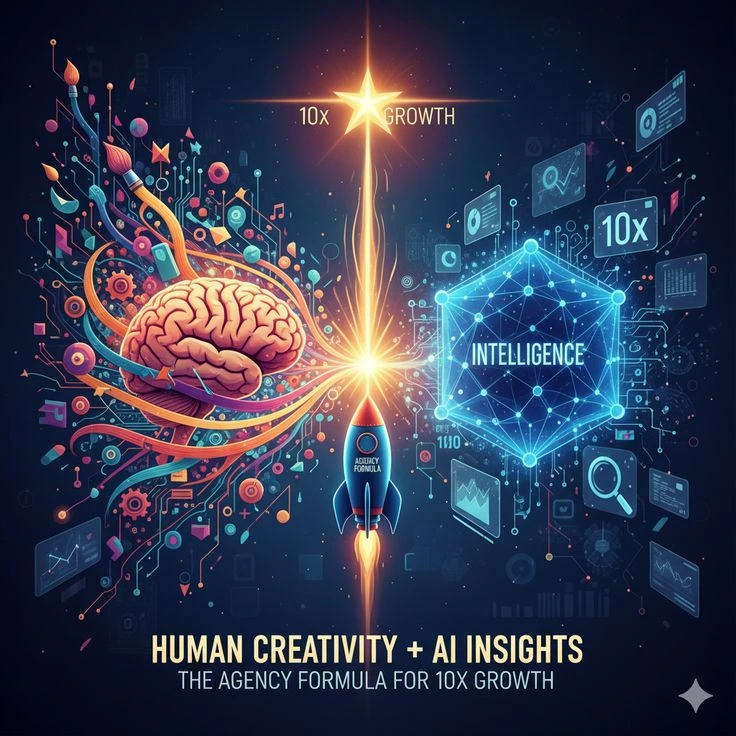
Over-reliance on automation can result in generic content. The most successful strategies in 2026 use AI as a guide, not a replacement. When marketers add personal experience, local insights, and practical knowledge, content becomes more engaging and trustworthy.
Artificial Intelligence in Digital Advertising Strategies
Paid digital advertising has evolved significantly with the integration of AI. Artificial intelligence in digital marketing helps optimize ad placements, bidding strategies, and audience targeting based on performance data.
AI-driven advertising systems continuously test and refine campaigns, allowing marketers to achieve better results with controlled budgets. This efficiency is particularly valuable for small and medium-sized businesses.
Importance of Strategic Oversight
Although AI improves efficiency, strategic direction remains a human responsibility. Clear goals, ethical boundaries, and brand consistency require human judgment. Successful advertisers use AI insights while maintaining full control over campaign intent.
Improving Customer Experience Through AI Tools
Customer experience is a critical factor in digital success. Artificial intelligence supports faster responses through chatbots, personalized recommendations, and automated support systems.
These tools enhance convenience but should not replace human interaction completely. Customers appreciate empathy and understanding, especially when dealing with complex issues.
Data Analysis and Informed Marketing Decisions
One of the strongest benefits of artificial intelligence in digital marketing is its ability to process and analyze large datasets. AI identifies trends, predicts outcomes, and highlights performance insights that help marketers refine strategies.
This data-driven approach allows businesses to focus resources where they matter most, improving return on investment and reducing inefficiencies.
Responsible Use of Data
With access to user data comes responsibility. Ethical data usage, transparency, and privacy protection are essential. Businesses that respect user trust build stronger relationships and long-term brand loyalty.
Challenges and Limitations of Artificial Intelligence in Digital Marketing
While artificial intelligence offers many advantages, it is not without limitations. AI systems depend on data quality, and biased data can lead to inaccurate outcomes. Additionally, excessive automation can reduce originality if not monitored.
Marketers must view AI as a supporting system rather than a decision-maker. Continuous evaluation and adjustment are necessary to ensure alignment with business values.
The Future Outlook of Artificial Intelligence in Digital Marketing
The future of artificial intelligence in digital marketing lies in collaboration between humans and technology. As AI systems become more advanced, the need for strategic thinking, creativity, and ethical leadership will increase.
Businesses that invest in understanding both technology and audience behavior will remain competitive. Those that focus only on automation risk losing authenticity and trust.
Conclusion
Artificial intelligence in digital marketing has become an integral part of online growth strategies in 2026. It enhances personalization, improves efficiency, and provides valuable insights, but it cannot replace human judgment.
True digital success comes from using artificial intelligence responsibly, creatively, and strategically. When businesses combine AI tools with genuine understanding and ethical practices, they build sustainable marketing systems that benefit both brands and audiences.
Leave a Reply